


Methane and the biogenic carbon cycle
 nutriNews international
Sobre este episodio
19 December 2022
 0
0
Ruminants (such as cows, sheep and goats) are often considered big contributors to climate change due to their methane (CH4), emissions.
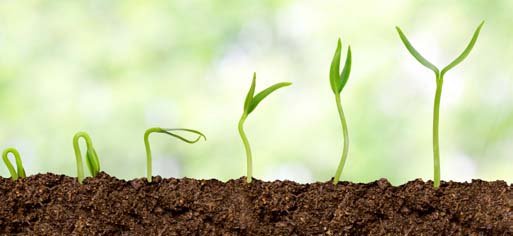
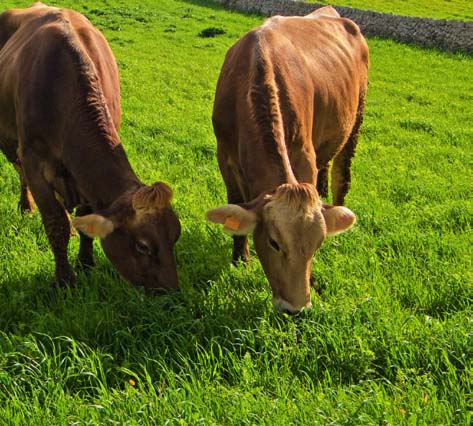
 While this is true, it is actually part of an important natural cycle that has been occurring since the beginning of life, known as the biogenic carbon cycle.
Biogenic Carbon Cycle
The biogenic carbon cycle focuses on the ability of plants to absorb and sequester carbon.
Plants have the unique ability to remove carbon dioxide (CO2) from the atmosphere and deposit that carbon in their leaves, roots, and stems while releasing oxygen into the atmosphere.
This process is known as photosynthesis and is fundamental to the biogenic carbon cycle.

However, guess who can digest the cellulose found in the grasses and shrubs of marginal lands?
Ruminants ingest this plant material, obtain energy from it and recycle cellulose… and as a result, they also ingest carbon!
Ruminants are made to digest cellulose. They consume grasses and other plants which are high in cellulose and are capable of assimilating the carbon stored in cellulose through enteric fermentation.
They can use this carbon to cover vital functions such as growth, milk production and other physiological and metabolic processes.
As a result of cellulose consumption, livestock lose carbon in the form of CH4 and therefore return the carbon sequestered by plants into the atmosphere.
After approximately 10 years, CH4 (methane) breaks down (hydroxyl oxidation) and is converted back into CO2 [CH4 –> CO2 + H2O].
Podcasts recomendados
IMPACT on POULTRY HEALTH EXPLAINED – NUTRINEWS ON AIR Dr. Edgar Oviedo
Understanding broiler breeder FERTILITY DECLINE – NUTRINEWS ON AIR Dr. Edgar Oviedo
Unlocking the POTENTIAL of BIOREACTOR-BASED INSECT PROTEIN – NUTRINSIGHTS Dr. Ari Riihimaa

PHOSPHORUS in SWINE NUTRITION: Expert insights – NUTRINEWS ON AIR Dr. Alberto Morillo

Strategies for GUT HEALTH and sustainable ANTIBIOTIC USE – NUTRINSIGHTS Dr. Marcos Rostagno

Monitoring LIVER HEALTH to boost HEN PRODUCTIVITY – NUTRINSIGHTS Dr. Reza Akbari

Key indicators for SOYBEAN MEAL QUALITY in POULTRY NUTRITION – NUTRINSIGHTS Dr. Nelson Ruiz
